



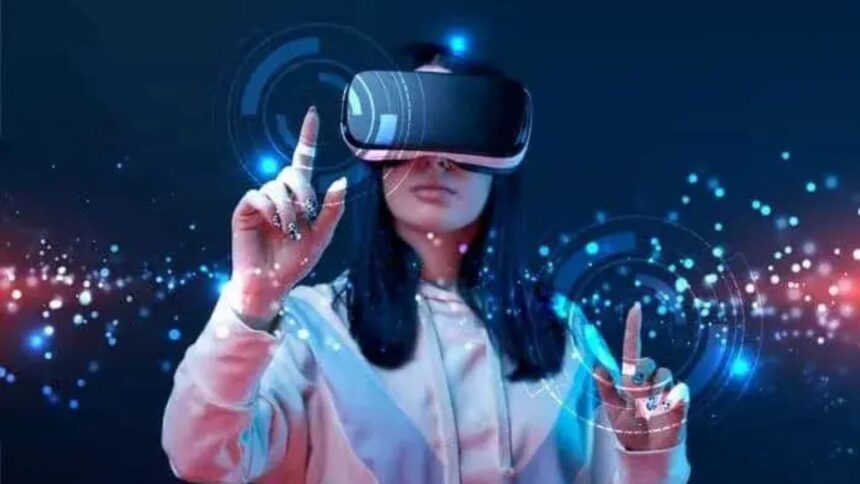
The entertainment landscape is shifting, and a new player has emerged to challenge traditional media. Enter Realifecamù—a platform that offers an immersive experience unlike anything we’ve seen before. Gone are the days when audiences passively consumed content; now, viewers can step into a world where reality blends with creativity, creating an environment that captivates like never before.
As we dive into this fascinating realm of Realifecamù, we’ll explore how it’s reshaping entertainment as we know it. What makes it different from traditional media? Are there benefits or drawbacks to this innovative approach? Join us on this journey as we dissect its rise, impact on society, and what the future may hold for both Realifecamù and conventional forms of entertainment. Get ready for insights that might just change your perspective on how you consume content!
What is Realifecamù?
Realifecamù is a groundbreaking platform that blurs the lines between reality and entertainment. It allows users to immerse themselves in real-time experiences, offering a glimpse into everyday life through live streaming.
Unlike scripted shows or pre-recorded content, Realifecamù showcases genuine moments as they unfold. Users can watch various scenarios—whether it’s people going about their daily routines or engaging in unique activities.
This innovative concept taps into the human desire for authenticity. Viewers are no longer just spectators; they become part of a shared experience, feeling connected to the individuals on screen.
With its interactive features, Realifecamù encourages engagement and participation from its audience. This level of involvement fosters community and sparks conversations around diverse topics showcased on the platform.
The Rise of Realifecamù in the Entertainment Industry
Realifecamù has emerged as a game changer in the entertainment landscape. It offers viewers an unfiltered glimpse into real life, blurring the lines between reality and scripted content.
The appeal lies in its authenticity. People crave genuine experiences over polished performances. This shift in audience preference has fueled Realifecamù’s popularity, drawing millions who seek connection rather than mere distraction.
Social media has played a crucial role in this rise. Platforms amplify raw moments, creating viral trends that engage users on a personal level. Viewers become participants, sharing their own stories alongside those they watch.
As traditional media struggles with ratings, Realifecamù’s organic reach continues to grow. It’s not just about watching—it’s about being part of something larger where everyone can contribute to the narrative.
This dynamic evolution reflects changing societal values and showcases how technology reshapes our entertainment choices daily.
How Realifecamù Differs from Traditional Media
Realifecamù revolutionizes how audiences engage with content. Unlike traditional media, which relies on scripted narratives and professional actors, Realifecamù presents genuine moments captured in real-time. This authenticity draws viewers into unfiltered experiences.
Traditional media often follows a predetermined structure. This can limit creativity and spontaneity. In contrast, Realifecamù thrives on unpredictability. Each moment is unique, allowing for organic storytelling that resonates deeply with its audience.
Moreover, engagement differs significantly between the two mediums. Traditional media can feel distant or passive; viewers are mere spectators. With Realifecamù, participants become part of the action—shaping narratives through their reactions and interactions.
Another key distinction lies in accessibility. While traditional media often requires subscriptions or cable packages, Realifecamù typically offers broader access via digital platforms. This democratization of content opens doors to diverse voices that might otherwise remain unheard.
These differences create an exciting landscape where entertainment evolves constantly.
Pros and Cons of Realifecamù
Realifecamù offers a fresh perspective on entertainment. It immerses viewers in real-life experiences rather than scripted content. This raw authenticity captivates audiences seeking genuine connection.
However, this format can have drawbacks. The unpredictability of unscripted moments might lead to uncomfortable situations or cringe-worthy interactions. Not everyone appreciates the lack of polish found in traditional media.
Privacy is another concern. With cameras capturing everyday life, the line between public and private often blurs. Participants may find their personal lives exposed in ways they didn’t anticipate.
Moreover, Realifecamù fosters community engagement unlike any other medium. Fans interact directly with creators, adding layers to viewer experience that conventional platforms struggle to match.
Yet, not all individuals are ready for such openness. Some prefer curated narratives over unfiltered reality as it allows them a sense of control over what they consume and share.
The Impact on Society and Culture
Realifecamù is reshaping how we consume and interact with entertainment. It fosters a culture of transparency, as viewers get an unfiltered glimpse into real lives. This shift promotes authenticity in storytelling, attracting audiences who crave genuine connections.
Moreover, Realifecamù challenges traditional norms around privacy and celebrity. Individuals become stars of their own narratives, blurring the lines between everyday life and performance art. This democratization of fame allows diverse voices to emerge.
As society adapts to this new medium, conversations about boundaries and ethics are inevitable. Questions arise regarding consent and the implications of living one’s life under constant observation.
Culturally, it inspires creativity by encouraging user-generated content. Audiences transition from passive consumers to active participants in shaping narratives that resonate with them on personal levels.
This evolving landscape leaves room for exploration—how will these transformations redefine our values surrounding entertainment?
The Future of Realifecamù and Traditional Media Coexisting
The future of realifecamù and traditional media is shaping up to be an intriguing blend. As audiences crave more authentic experiences, platforms like realifecamù offer raw glimpses into everyday life. This spontaneous content can coexist alongside scripted programming.
Traditional media still holds a significant place in entertainment, providing polished narratives and high production values. Many viewers appreciate the artistry involved in filmmaking and television series.
As technology advances, creators are likely to harness both formats for unique storytelling opportunities. Imagine hybrid shows that combine elements from realifecamù with traditional plots, engaging audiences on multiple levels.
Collaboration between the two could lead to innovative ways to capture viewer attention. By sharing audiences, they might redefine what we consider entertainment today while fostering diverse consumption habits across demographics.
Conclusion
The entertainment landscape is shifting rapidly. Realifecamù has emerged as a powerful force, challenging traditional forms of media.
As audiences seek authenticity and real-time experiences, platforms like Realifecamù offer a refreshing alternative. They provide raw content that resonates deeply with viewers.
However, traditional media still holds its ground. It offers polished storytelling and high production values that many cherish.
Both realms can coexist by appealing to different audience preferences. The future may see them blending in innovative ways that enrich our viewing options.
Exploring this new terrain invites curiosity and creativity for both creators and consumers alike. Adjustments are inevitable as technology continues to evolve the way we engage with entertainment.
Embracing change while valuing established methods could lead to exciting developments ahead. This dynamic interplay will shape how stories are told in years to come.
FAQs
What is Realifecamù?
Realifecamù is an innovative platform that allows users to live-stream their everyday lives, offering a raw and unfiltered glimpse into personal experiences. It breaks the mold of traditional content consumption by allowing audiences to engage with real-time events rather than pre-packaged narratives.
How does Realifecamù differ from traditional media?
Traditional media relies on scripted content produced for entertainment purposes. In contrast, Realifecamù captures authentic moments without editing or staging. This immediacy can create a stronger connection between viewers and streamers.
Are there any benefits to using Realifecamù?
Yes, some advantages include genuine interactions with creators, diverse perspectives on daily life, and community-building opportunities among users who share similar interests. These factors enhance viewer engagement in ways traditional media often cannot achieve.
What are the downsides of Realifecamù?
While it promotes authenticity, concerns about privacy and ethical boundaries arise when individuals share intimate aspects of their lives on public platforms. Additionally, not all viewers may appreciate unscripted formats as much as curated storytelling found in television or films.
How might society be affected by the rise of Realifecamù?
As people become more accustomed to viewing real-life experiences over fictional stories, this shift could lead to changes in cultural norms around privacy and self-expression. It has the potential to reshape how we perceive entertainment while fostering greater empathy through shared human experiences.
Will traditional media survive alongside Realifecamù?
It’s likely that both forms will continue coexisting but evolve together. Traditional media companies may incorporate elements from streaming platforms like Realifecamù while diversifying their offerings based on audience preferences for authenticity versus polished storytelling.
These questions reflect ongoing discussions surrounding the integration of new technologies within our entertainment landscape. As we navigate these changes together, it’s essential for consumers and creators alike to think critically about what they want from their screens—whether it’s reality or fiction.