





Kalibraatio is more than just a technical term; it’s the backbone of accuracy and reliability in various industries. Whether you’re working with precision instruments, laboratory equipment, or manufacturing machines, understanding kalibraatio can be vital to achieving optimal performance. It ensures that your tools deliver consistent results and meet the stringent standards required by regulatory bodies.
But what exactly does kalibraatio entail? Why should you invest time and resources into it? This comprehensive guide will take you through the ins and outs of calibration, uncovering its types, processes, frequency recommendations, benefits, common misconceptions, and tips for choosing the right service provider. Get ready to discover why kalibraatio is essential not just for compliance but also for enhancing productivity and maintaining quality in any operation.
Understanding Kalibraatio : What is it and why is it important?
Kalibraatio, or calibration, is the process of verifying and adjusting the accuracy of measuring instruments. It ensures that devices provide precise readings that align with established standards. This is crucial in fields like healthcare, engineering, and manufacturing where even minor discrepancies can lead to significant consequences.
The importance of kalibraatio cannot be overstated. Accurate measurements are essential for product quality and safety. For example, in laboratories, calibrated equipment guarantees reliable test results that may impact patient care or research outcomes.
Moreover, regular kalibraatio contributes to compliance with industry regulations. Many sectors require adherence to strict guidelines regarding instrument accuracy. Failing to meet these requirements can result in financial penalties or reputational damage.
In essence, understanding kalibraatio helps organizations maintain operational excellence while avoiding risks associated with inaccurate measurements.
The Different Types of Kalibraatio
Kalibraatio encompasses various types, each tailored for specific needs. At its core, there are two main categories: static and dynamic calibration.
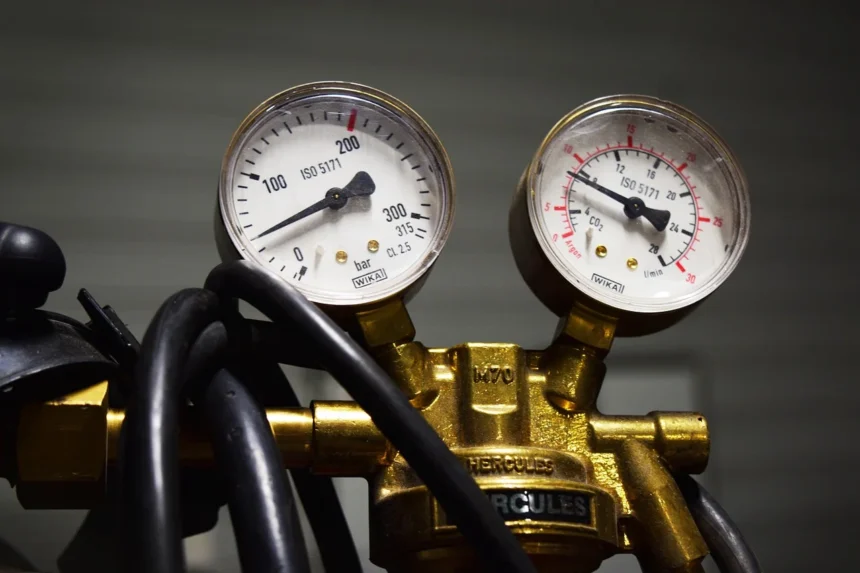
Static kalibraatio involves testing instruments when they are stationary. This method is essential for equipment like pressure gauges or temperature sensors. It ensures accuracy at a set point without the influence of changing conditions.
Dynamic kalibraatio, on the other hand, assesses instruments in motion. This type is crucial for devices that measure variables while operating, such as flow meters and accelerometers. The focus here is on performance under real-world scenarios.
Another distinction lies in laboratory versus field calibration. Laboratory calibration occurs in controlled environments, providing precise measurements with minimal interference from external factors. Field calibration happens on-site where equipment operates regularly; it’s practical yet may introduce environmental variances affecting results.
Understanding these distinctions helps businesses choose the right approach to ensure optimal performance and compliance.
The Process of Kalibraatio
The process of kalibraatio begins with a thorough assessment of the equipment. Technicians evaluate its current performance against established standards. This step ensures that any deviations are identified early.
Next, precise measurements are taken using specialized tools. These instruments help in determining how far off the equipment is from its expected values. It’s crucial to document every finding for future reference.
Once discrepancies are noted, adjustments are made to bring the equipment back into alignment. This might involve recalibrating settings or replacing specific components.
After adjustments, another round of testing occurs to confirm accuracy. The final step includes generating a calibration certificate that outlines all changes and compliance with industry standards.
This structured approach not only enhances precision but also builds trust in measurement processes across various sectors.
How Often Should Equipment be Kalibraatio ?
The frequency of kalibraatio largely depends on the type of equipment and its usage. For high-precision tools, more frequent calibration is crucial. This ensures accuracy in measurements and results.
In industries like pharmaceuticals or aerospace, a regular schedule may be mandated by regulations. Here, equipment might require calibration every few months to maintain compliance and safety standards.
For less critical applications, annual checks may suffice. However, if you notice any signs of drift in your readings, it’s wise to recalibrate sooner than planned.
Environmental factors can also influence how often you should perform kalibraatio. Equipment exposed to extreme temperatures or humidity may need more frequent adjustments.
Establishing a proactive maintenance plan tailored to your specific needs can reduce downtime and enhance productivity.
Benefits of Proper Kalibraatio
Proper kalibraatio is essential for accuracy in measurements. When equipment is calibrated correctly, it ensures reliable results. This precision reduces the risk of errors that can lead to costly mistakes.
Another benefit lies in compliance with industry standards. Many sectors require regular calibration to meet legal and safety regulations. Adhering to these guidelines helps avoid penalties and maintains a company’s reputation.
Regular kalibraatio also extends the lifespan of equipment. By ensuring instruments operate within specified parameters, wear and tear are minimized, saving costs on repairs or replacements over time.
Moreover, proper calibration fosters confidence among employees and clients alike. Knowing that tools are functioning optimally promotes trust in processes and outcomes, enhancing overall productivity.
Investing in accurate calibration reflects a commitment to quality assurance. It signals dedication not only to excellence but also to continuous improvement within an organization’s operations.
Common Misconceptions about Kalibraatio
Many people think kalibraatio is only necessary for large industrial machines. This isn’t true. Even smaller tools and devices require calibration to ensure accuracy.
Another misconception is that once equipment is calibrated, it stays accurate indefinitely. Environmental factors can affect measurements over time, making regular checks essential.
Some believe that all calibration services are the same. In reality, different fields have unique standards and requirements, so it’s crucial to choose a provider familiar with your specific needs.
There’s also the idea that calibration is merely an added expense without real value. However, proper kalibraatio leads to better quality control and cost savings in the long run by preventing errors.
Many assume they can handle calibration themselves without expertise or equipment. DIY attempts often lead to more issues than solutions due to insufficient knowledge of industry standards and techniques.
Choosing the Right Kalibraatio Service Provider
Selecting a reliable kalibraatio service provider is crucial for maintaining the accuracy of your equipment. Start by researching companies with a solid reputation in your industry. Look for reviews and testimonials to gauge customer satisfaction.
It’s important to ensure that the provider has relevant certifications and adheres to industry standards. This indicates their commitment to quality and compliance.
Consider their experience as well. A company that has been in business for years will likely have refined processes and skilled technicians.
Don’t hesitate to ask about their calibration methods and tools used. Transparency is key; you want assurance that they utilize state-of-the-art technology.
Evaluate customer support options. Responsive communication can make all the difference when issues arise or if you need assistance post-calibration. Choosing wisely can lead to long-term benefits for your operations.
Conclusion
Kalibraatio plays a vital role in ensuring accuracy and reliability across various industries. Its significance cannot be understated, as it directly impacts the quality of work and safety standards.
Investing time and resources into proper kalibraatio can enhance operational efficiency. With well-calibrated equipment, businesses can avoid costly errors that arise from inaccuracies.
Choosing the right service provider is essential for achieving optimal results. A knowledgeable partner can make all the difference in maintaining high precision levels.
Staying informed about calibration practices helps organizations remain competitive. Embracing best practices fosters a culture of excellence, ultimately benefiting clients and stakeholders alike.
As you navigate your needs regarding kalibraatio, consider its long-term advantages to ensure sustained success in your operations.
FAQs
Kalibraatio can often lead to questions and uncertainties. Here are some common queries related to the topic.
What does kalibraatio involve?
Kalibraatio involves comparing a measurement standard to a device’s output. This ensures that the device provides accurate readings within specified limits.
How long does the kalibraatio process take?
The duration varies based on the equipment type and complexity of measurements. Generally, it can range from a few hours to several days.
Can I perform kalibraatio myself?
While some basic calibration tasks may be done independently, professional services ensure accuracy and adherence to industry standards.
What happens if my equipment is not calibrated regularly?
Neglecting regular kalibraatio can lead to inaccurate results, inefficiencies in processes, or even safety hazards in certain fields.
Is there any legal requirement for kalibraatio?
Many industries have specific regulations mandating periodic calibration of particular equipment. It’s crucial to stay informed about relevant compliance guidelines in your sector.
How do I know when it’s time for kalibraatio?
Typically, manufacturers provide recommendations regarding frequency. Additionally, changes in performance or usage conditions might indicate it’s time for recalibration.
By understanding these aspects of kalibraatio, you’ll be better equipped to ensure precision in your operations while enhancing overall efficiency and reliability.