




Introduction to Keibann
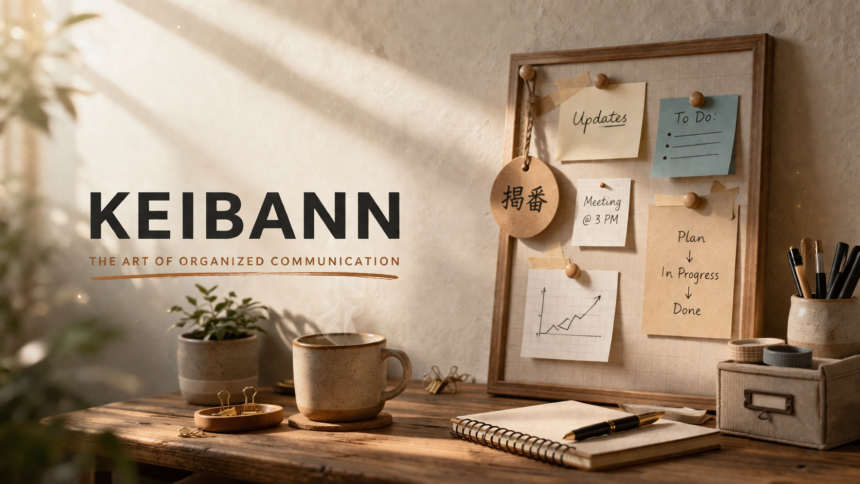
Have you heard about keibann? This intriguing concept is making waves across various fields, from personal development to business strategy. If you’re wondering what all the buzz is about, you’re not alone. Keibann encapsulates powerful principles that can transform how we think and act in our daily lives.
- Introduction to Keibann
- The History and Origins of Keibann
- Key Principles and Concepts of Keibann
- How Keibann Has Evolved Over Time
- Benefits of Implementing Keibann in Your Life or Business
- Real-Life Success Stories and Examples of Keibann at Work
- Common Misconceptions About Keibann
- The Future of Keibann and Its Impact on Society
- Conclusion: Why
In a world overflowing with trends and fads, keibann stands out as something truly meaningful. People everywhere are embracing its ideas, leading to innovative changes in their routines and organizations. So, what exactly is keibann? Why does it hold such significance for so many? Let’s dive into this fascinating topic together!
The History and Origins of Keibann
The origins of Keibann trace back to ancient practices rooted in mindfulness and strategic thinking. It emerged as a response to the complexities of daily life, where individuals sought balance and clarity.
Initially embraced by scholars and philosophers, Keibann was seen as a method for enhancing decision-making. Over time, it became more accessible to everyday people seeking harmony between personal goals and external challenges.
As cultures intermingled through trade and exploration, concepts surrounding Keibann adapted. This evolution made it relevant across various societies, each contributing unique interpretations.
In modern contexts, discussions around Keibann emphasize its flexibility. Today’s practitioners apply its timeless principles in diverse fields like business management and personal development. Its rich history continues to inspire new generations eager for effective pathways towards success.
Key Principles and Concepts of Keibann
Keibann revolves around the idea of balance and harmony. At its core, it emphasizes aligning personal goals with community values. This connection fosters a sense of belonging and purpose.
Another vital principle is adaptability. Keibann encourages individuals to remain flexible in their approaches, embracing change rather than resisting it. This mindset allows for growth in both personal and professional spheres.
Collaboration plays a crucial role as well. Engaging with others enhances creativity and problem-solving capabilities. Together, people can achieve more than they could alone.
Keibann promotes mindfulness. Being present helps individuals make informed decisions that resonate with their true selves while considering broader impacts on society. These concepts create a rich tapestry that defines what keibann stands for today.
How Keibann Has Evolved Over Time
Keibann began as a niche concept, primarily within small communities. Its roots can be traced back to innovative thinkers who sought better ways of organizing thoughts and tasks.
As technology advanced, so did the methods associated with keibann. Digital tools emerged, allowing more people to adopt these principles into their daily routines. Mobile applications now offer flexibility that traditional methods lacked.
Social media played a key role in spreading awareness about keibann. Enthusiasts shared tips and tricks online, creating vibrant communities dedicated to mastering its concepts.
Businesses also took note of this evolution. More organizations are integrating keibann strategies into their workflows for enhanced productivity and collaboration.
Today, it’s not just an individual practice; it’s become a valuable asset in corporate environments too. As discussions continue around efficiency and organization, keibann remains relevant in our ever-changing world.
Benefits of Implementing Keibann in Your Life or Business
Implementing keibann can transform both personal and professional spaces. By adopting this innovative approach, individuals often find clarity in their goals and priorities.
In a business context, keibann fosters transparency. Teams collaborate more effectively when everyone understands the key objectives. This alignment leads to increased productivity and efficiency.
On a personal level, keibann encourages self-reflection. It helps people identify what truly matters, allowing them to focus on meaningful activities rather than distractions.
Moreover, using keibann enhances accountability. Whether in teams or individual pursuits, tracking progress becomes easier with visual aids that highlight achievements and areas for improvement.
The adaptability of keibann makes it suitable for various environments—be it at home or in the workplace—providing valuable insights into performance and potential growth opportunities.
Real-Life Success Stories and Examples of Keibann at Work
Keibann has transformed lives and businesses in remarkable ways. One inspiring story comes from a small startup that adopted Keibann principles to streamline its workflow. By focusing on continuous improvement, the team increased productivity by 30% in just six months.
Another compelling example is a nonprofit organization that utilized Keibann strategies to enhance community engagement. They implemented feedback loops that allowed them to adapt their programs based on real-time input from participants, resulting in higher satisfaction rates.
In education, schools embracing Keibann have seen significant improvements in student performance. Teachers used this method to create tailored learning experiences, which fostered greater enthusiasm for learning among students.
These examples illustrate how versatile and impactful keibann can be across different sectors, proving it’s not just a trend but a powerful approach with lasting benefits.
Common Misconceptions About Keibann
Many people have misconceptions about keibann, often seeing it as just a trend. They assume it’s another passing fad without understanding its deeper significance.
Some believe that keibann is only applicable in specific fields. In reality, its principles can enhance both personal and professional lives across various domains.
Another common myth is that implementing keibann requires extensive training or expertise. The truth is, anyone can adopt its core concepts through simple practices integrated into daily routines.
Additionally, there’s a perception that keibann is purely theoretical. However, countless success stories demonstrate its practical applications and real-world benefits.
Some think keibann promotes exclusivity or elitism. On the contrary, it encourages collaboration and inclusivity within communities to foster growth and innovation.
The Future of Keibann and Its Impact on Society
As keibann continues to gain traction, its future looks promising. People are beginning to recognize the value of this innovative approach in various sectors.
In education, for instance, keibann can revolutionize how students engage with information. By encouraging creativity and collaboration, it fosters a more dynamic learning environment.
Businesses are also embracing keibann principles to streamline operations and enhance productivity. This shift allows teams to adapt quickly in an ever-changing market landscape.
Moreover, mental health advocates highlight the restorative benefits of integrating keibann into daily routines. The emphasis on mindfulness and balance promotes well-being across communities.
Socially, we may witness a surge in grassroots movements inspired by keibann’s core values. These initiatives could empower individuals to take action on local issues while fostering connections that transcend boundaries.
The evolution of society hinges upon adaptability and innovation; keibann embodies these ideals beautifully.
Conclusion: Why
The growing interest in keibann reflects our desire for efficiency and clarity in both personal and professional realms. As more individuals and businesses adopt its principles, the impact is undeniable. Keibann isn’t just a trend; it’s a transformative approach that enhances productivity and fosters collaboration.
People are drawn to keibann because it simplifies complex tasks into manageable parts. This method allows for better organization of thoughts and actions, leading to improved outcomes. The success stories emerging from various sectors demonstrate its versatility. Whether used by entrepreneurs or educators, keibann proves its worth time after time.
As society continues to evolve, so too will the applications of keibann. Its integration into daily routines suggests a shift toward more mindful practices that prioritize effectiveness without sacrificing creativity.
Understanding why keibann matters goes beyond mere curiosity—it’s about embracing change for better results in life and work. With each conversation surrounding this concept, we inch closer to unlocking new potentials within ourselves and our communities.