



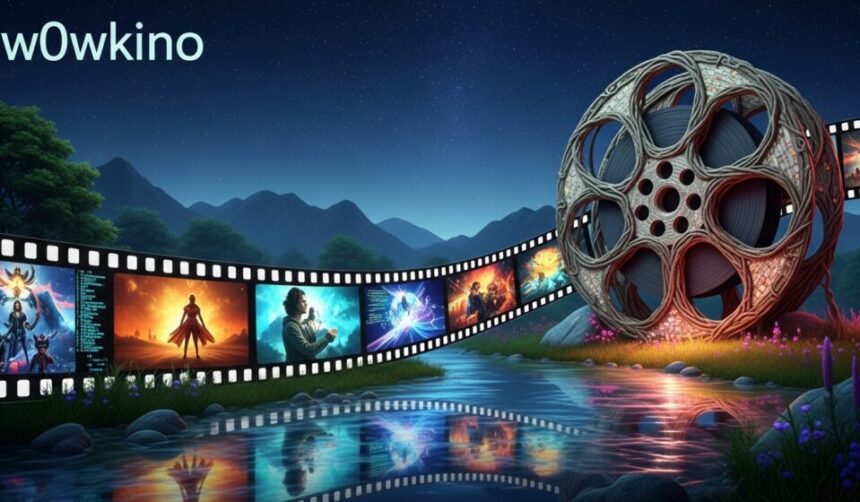
In the ever-evolving landscape of cinema, a new wave has emerged that is shaking up traditional filmmaking norms. Enter w0wkino—a movement defined by its experimental approach and unorthodox storytelling techniques. This innovative genre captures the essence of modern culture while challenging viewers to think beyond conventional narratives. But what exactly is w0wkino? Join us as we dive deep into this captivating film movement and explore its origins, characteristics, notable figures, and lasting impact on the industry. Whether you’re a seasoned cinephile or just curious about emerging trends in film, there’s something intriguing waiting for you in the world of w0wkino.
The Origins of w0wkino
w0wkino traces its roots to the digital age, where accessibility and technology transformed how films are made and consumed. The rise of independent filmmakers began challenging mainstream narratives, paving the way for innovative storytelling.
This movement gained momentum in response to societal shifts, especially during significant events that spurred creative expression. Filmmakers sought platforms beyond traditional studios, leveraging online spaces to share their work.
The term “w0wkino” itself emerged from a blend of internet culture and avant-garde cinema. It symbolizes a rebellion against conventional filmmaking techniques while embracing an experimental spirit.
As communities formed around this new genre, collaborations flourished. Artists harnessed social media as a vital tool for promotion and distribution—ushering in an era where niche audiences could thrive. This grassroots approach laid the groundwork for what would become a defining characteristic of w0wkino films: authenticity and innovation at their core.
Characteristics of w0wkino Films
w0wkino films are distinguished by their experimental and avant-garde approach. They often challenge traditional narrative structures, opting for nonlinear storytelling that invites viewers to engage on a deeper level.
Visual aesthetics play a crucial role in this movement. Bold colors, unique camera angles, and abstract visuals create an immersive experience. Directors prioritize mood over conventional plot progression.
Sound design is equally innovative. Many w0wkino films feature unconventional soundtracks or ambient noise that enhances the emotional landscape of the film. Silence can be as powerful as music here.
Character development takes unexpected turns too. Protagonists may not follow typical arcs; instead, they embody complex themes such as identity and existentialism.
W0wkino embraces unpredictability, inviting audiences into uncharted cinematic territory where interpretation reigns supreme.
Notable Directors and Films in the Movement
The w0wkino movement has birthed a new wave of talent. Directors like Ava DuVernay and Bong Joon-ho have embraced its ethos, pushing boundaries both thematically and stylistically. Their films resonate deeply with audiences, often tackling social issues through compelling narratives.
DuVernay’s “13th” stands as a powerful example within the movement. It intertwines documentary techniques with cinematic storytelling to explore systemic racism in America.
Bong Joon-ho’s “Parasite” redefined genre expectations while highlighting class disparity in an engaging way. His unique blend of humor and horror captured global attention.
Emerging directors also contribute significantly to w0wkino’s evolution. Filmmakers such as Lulu Wang and Jordan Peele incorporate cultural elements that challenge traditional norms, ensuring their stories are fresh yet relatable.
Each film within this movement serves as a testament to creativity’s resilience against conventional filmmaking standards.
Impact on the Film Industry
w0wkino has carved out a unique niche in the film landscape, challenging traditional storytelling methods. It emphasizes innovation and personal expression over commercial viability.
This movement encourages filmmakers to experiment with narrative structures, styles, and themes. Audiences are exposed to unorthodox plots that defy conventional expectations. This shift fosters creativity not only among directors but also scriptwriters and cinematographers.
Moreover, w0wkino has sparked discussions about the role of technology in filmmaking. Its embrace of digital platforms and social media for distribution is reshaping how films reach viewers worldwide.
Independent cinema is thriving thanks to this new wave of creators who value authenticity over box office returns. The ripple effect on mainstream cinema is undeniable as it explores new avenues inspired by w0wkino’s bold approach.
The impact extends beyond just films; it influences how stories are told across various mediums today.
Criticisms and Controversies Surrounding w0wkino
w0wkino has not escaped scrutiny. Critics argue that its experimental nature often prioritizes style over substance. This can lead to confusing narratives that alienate mainstream audiences.
Moreover, some filmmakers within the movement have been accused of elitism. They seem to cater only to a niche group of cinephiles, leaving broader viewers feeling excluded.
There are also debates about the ethical implications of certain content in w0wkino films. Many explore taboo subjects or employ provocative imagery, raising questions about artistic freedom versus social responsibility.
The distribution and marketing tactics employed by w0wkino supporters sometimes fuel tensions too. Traditional film outlets view these methods as disruptive, sparking discussions on what constitutes legitimate filmmaking in today’s landscape.
These controversies highlight an ongoing struggle between innovation and acceptance within cinema’s evolving ecosystem. The dialogue surrounding w0wkino continues to provoke thought across various platforms.
Future of w0wkino
The future of w0wkino looks promising yet unpredictable. As technology advances, filmmakers are pushing boundaries like never before. This movement thrives on innovation and experimentation.
New platforms continue to emerge, allowing creators to share their work directly with audiences. This shift democratizes filmmaking and invites diverse voices into the conversation.
Emerging talents are eager to explore themes unique to w0wkino. They blend genres and styles in ways that challenge traditional narratives. Audiences respond positively, craving fresh perspectives.
Moreover, collaborations between artists across various disciplines enrich the cinematic landscape. Visual art merges with storytelling in compelling ways that captivate viewers.
As more festivals spotlight w0wkino films, recognition grows beyond niche circles. The demand for authentic storytelling keeps rising—this bodes well for its longevity in cinema culture.
Conclusion: Is w0wkino Here to Stay?
The landscape of cinema is constantly evolving, and w0wkino represents a significant shift in how filmmakers approach storytelling. This innovative film movement has captivated audiences with its unique style and unorthodox themes. It embraces the digital age while challenging traditional cinematic norms.
As w0wkino continues to gain traction, it poses interesting questions about the future of filmmaking. Will this movement inspire new generations of directors or become just a passing trend? The potential for growth remains high as more creators explore the boundaries that w0wkino presents.
With an ever-growing fan base and increasing visibility within mainstream media, it’s clear that w0wkino is making its mark. Whether it becomes a lasting pillar in cinematic history or fades away remains to be seen. What’s certain is that it has sparked conversations about creativity, authenticity, and the power of independent voices in film.
As we continue to watch this space evolve, one thing seems evident: w0wkino has ignited a fire within the film community that may very well endure for years to come.