





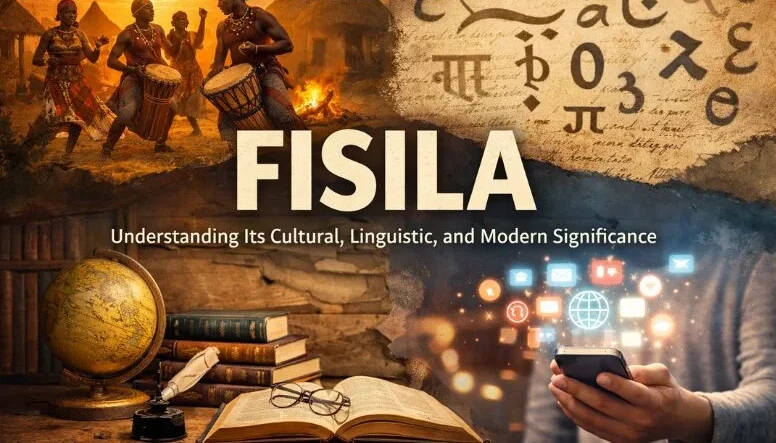
Introduction to Fisila
Fisila is a term that resonates with many, yet remains shrouded in mystery for others. As we delve into its origins and significance, you’ll discover the rich tapestry of culture and language woven around this unique concept. From ancient roots to modern adaptations, Fisila holds a special place in various communities. This blog post invites you on a journey to understand not just what Fisila represents, but how it has shaped identities and traditions over time. Buckle up as we explore the fascinating world of Fisila!
The History and Origins of Fisila
The history of Fisila is rich and layered, drawing from various cultural influences. Its roots can be traced back to ancient communities that thrived in the region where it originated. These societies laid the groundwork for what would become a unique expression of identity.
As trade routes expanded, so did the reach of Fisila. Merchants and travelers introduced new ideas while preserving traditional elements. This blending created a vibrant tapestry, showcasing how cultures intertwine over time.
Oral traditions played a vital role in its evolution. Stories passed down through generations kept the essence alive even as language transformed. Each narrative added depth to Fisila’s historical context.
Archaeological findings also reveal fascinating insights into its past. Artifacts suggest that early users engaged with Fisila not just as communication but as a symbol of belonging within their community.
Cultural Significance of Fisila
Fisila holds a rich tapestry of cultural significance. It embodies traditions that have been passed down through generations, serving as a bridge between the past and present.
Communities often gather to celebrate Fisila through festivals and rituals. These events foster unity, showcasing shared values and beliefs. The vibrant expressions found in music and dance during these occasions reflect the heart of its cultural identity.
Artisans also draw inspiration from Fisila, creating unique crafts that tell stories of their heritage. These handmade pieces are not just decorative; they represent history, resilience, and creativity.
Through storytelling and oral traditions, Fisila continues to inspire younger generations. This ongoing exchange fosters a deep appreciation for culture while ensuring its survival amid modern influences. Each expression tied to Fisila adds another layer to its importance within the larger cultural narrative.
Linguistic Characteristics of Fisila
Fisila boasts a rich tapestry of linguistic features that set it apart from other languages. Its phonetics exhibit unique sounds, often blending soft consonants with vibrant vowels. This gives the language a musical quality that resonates in everyday conversation.
Grammatical structures within Fisila are equally intriguing. The language employs a fascinating system of prefixes and suffixes, allowing for nuanced expression. This flexibility enables speakers to convey complex ideas succinctly.
Moreover, the vocabulary is infused with cultural references, reflecting the community’s values and traditions. Words often carry multiple meanings depending on context, enriching communication.
Another interesting aspect is its adaptability to modern influences. As cultures intersect, Fisila incorporates new terminology while maintaining its historical roots. This dynamic evolution speaks volumes about its resilience and relevance today.
Modern Uses and Adaptations of Fisila
Modern adaptations of fisila can be seen in various creative expressions. Artists and musicians increasingly incorporate traditional elements into contemporary works, breathing new life into the cultural heritage.
Social media platforms have become vital for sharing fisila-related content. Videos showcasing traditional dances or storytelling are gaining traction, reaching broader audiences than ever before.
Educational initiatives also play a role in preserving this rich tradition. Workshops and classes introduce younger generations to these linguistic and cultural nuances, ensuring that fisila remains relevant.
Moreover, fashion designers draw inspiration from traditional motifs associated with fisila. This blend of old and new not only revitalizes interest but also promotes local artisanship.
In literature, authors weave themes related to fisila into modern narratives. Such stories resonate with readers, bridging past experiences with current societal issues.
How Fisila has Evolved Over Time
Fisila has undergone significant transformations throughout its history. Originally rooted in ancient traditions, it began as a simple form of expression within communities. Over time, these expressions adapted to reflect changing social norms and values.
The introduction of technology played a pivotal role in this evolution. With the rise of digital platforms, fisila found new avenues for growth and adaptation. It became accessible to broader audiences through online forums and social media channels.
Cultural exchanges have also influenced fisila’s development. As people from diverse backgrounds engage with it, they introduce unique elements that enrich its tapestry. This hybridization showcases how adaptable fisila can be in contemporary society.
In recent years, there’s been a resurgence of interest in traditional forms alongside modern interpretations. Artists and creators draw inspiration from both worlds, ensuring that fisila remains relevant while honoring its roots.
Conclusion: The Continuing Legacy of Fisila
The legacy of Fisila is complex and multifaceted. It weaves through history, culture, and language in ways that continue to resonate today. As a living expression of identity, it serves as a bridge connecting the past with the present.
Modern adaptations of Fisila reflect its resilience and ability to evolve while retaining core elements that define it. Young people are infusing new life into traditional practices, ensuring their relevance in today’s fast-paced world. Social media platforms have played a significant role in this transformation, allowing for broader exposure and appreciation.
By exploring its origins and cultural significance, we gain insights into the values embedded within Fisila. The linguistic characteristics offer a glimpse into how language shapes our understanding of community and belonging.
As time progresses, Fisila remains an important part of social fabric for many communities. Its influence can be seen across various art forms—music, dance, literature—and continues to inspire individuals around the globe. This enduring connection highlights not just what was once cherished but also what will be celebrated moving forward.
Through exploration and engagement with Fisila’s rich tapestry, future generations may find inspiration both from its historical roots and modern interpretations. The journey does not end here; it evolves seamlessly with each passing day.