





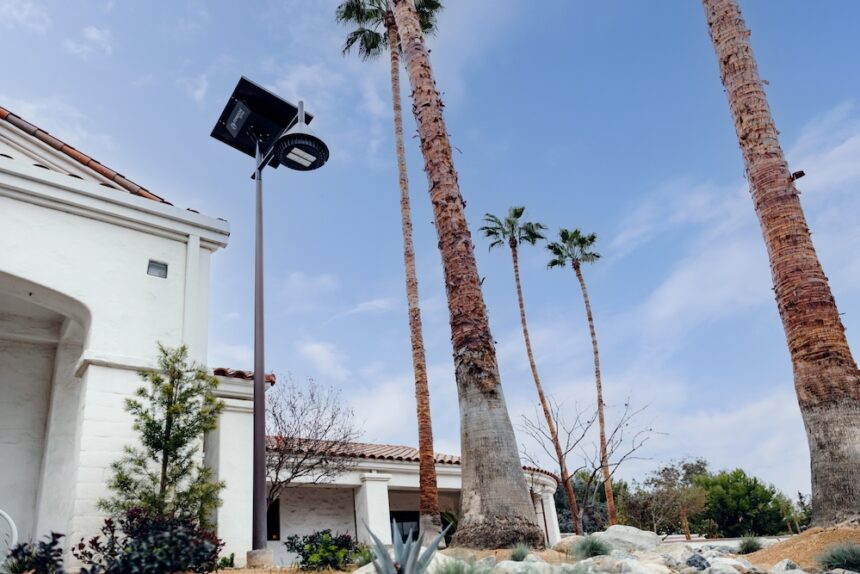
Introduction to the Oil Palm Self-Cleaning Street Light Project
Imagine a world where street lights not only illuminate our roads but also contribute to environmental sustainability. Welcome to the oil palm self-cleaning street light project! This innovative initiative combines renewable energy with cutting-edge technology, transforming urban landscapes. By harnessing the power of oil palm waste materials, these smart street lights clean themselves while reducing maintenance costs and promoting green practices.
As cities grow and face challenges like pollution and rising energy demands, finding efficient solutions becomes essential. Enter the oil palm self-cleaning street light project—a fresh approach that promises numerous benefits for both communities and the planet. Ready to explore how this groundbreaking project works? Let’s dive in!
Benefits of Implementing this Project
Implementing the oil palm self-cleaning street light project brings numerous advantages. First, it significantly reduces maintenance costs. Traditional street lights require frequent cleaning and repairs; this innovative solution minimizes those needs.
Moreover, these lights harness renewable energy from palm oil waste products. This not only promotes sustainability but also lowers dependence on fossil fuels.
Another key benefit is enhanced public safety. Clean, well-lit streets improve visibility at night, fostering a safer environment for pedestrians and drivers alike.
Additionally, integrating local resources into urban infrastructure creates job opportunities in the community. People can be involved in production, installation, and ongoing maintenance of these lights.
This project contributes to environmental conservation by utilizing agricultural waste effectively while promoting green technology initiatives within cities or towns. The potential for positive impact is vast when considering social and ecological aspects together.
Steps to Implement the Project
Begin by conducting a feasibility study. Assess the local environment and community needs to ensure the project aligns with both.
Next, secure funding and partnerships. Collaborate with local governments, NGOs, or investors who share your vision for sustainable lighting solutions.
Once financing is in place, design the street light system. Focus on integrating oil palm-derived materials into the structure while ensuring functionality and aesthetics.
Following design approval, initiate procurement of necessary components. Partner with suppliers who specialize in eco-friendly technologies for optimal results.
After materials arrive, commence installation at selected sites. Engage community members during this phase to foster ownership and pride in their new street lights.
Set up a monitoring system to track performance and maintenance needs. This proactive approach will help address any issues that arise promptly.
Necessary Equipment and Materials
To kickstart the oil palm self-cleaning street light project, you’ll need specific equipment and materials. First on the list are solar panels. They provide an eco-friendly energy source, reducing dependency on traditional power grids.
Next, you’ll require LED lights for illumination. These lights consume less energy while offering bright and efficient lighting solutions.
The heart of your cleaning mechanism will be a water spray system. This system helps maintain the cleanliness of the solar panels by washing away dirt and debris naturally.
Additionally, consider incorporating sensors to monitor performance. These can alert maintenance teams when attention is needed or when efficiency dips due to blockages.
Sturdy poles made from durable materials are essential for supporting both lights and cleaning systems in various weather conditions. Investing in quality components ensures longevity and reliable performance throughout the project’s life cycle.
Potential Challenges and Solutions
Implementing an oil palm self-cleaning street light project can present several challenges. One key issue is sourcing the right materials. Not all components may be readily available, leading to delays.
Another challenge is ensuring community acceptance. Some residents might be skeptical about new technologies or changes to their environment. Engaging local stakeholders early in the planning phase can help address concerns and encourage support.
Technical difficulties may also arise during installation and maintenance phases. Training staff on how to operate and fix these systems will be crucial for long-term success.
Weather conditions could impact performance, especially if heavy rains or storms occur frequently. Designing robust structures that withstand harsh climates will mitigate this risk effectively.
Addressing these potential hurdles with proactive strategies will pave the way for a successful implementation of the oil palm self-cleaning street light project while maximizing its benefits for communities.
Maintenance and Long-Term Sustainability
Long-term sustainability of the oil palm self-cleaning street light project hinges on proactive maintenance. Regular checks ensure that components function as intended.
Cleaning mechanisms should be inspected frequently to prevent blockage and maintain efficiency. Addressing minor issues promptly can extend the lifespan of each unit.
Training local personnel is essential for ongoing upkeep. Empower them with knowledge about troubleshooting common problems and performing routine maintenance tasks.
Sustainability also involves monitoring environmental impacts. Assess how well these systems integrate with their surroundings over time, adjusting practices accordingly.
Community engagement plays a vital role too. Educating residents about the benefits fosters support for continued operation and care of the project.
Building partnerships with local organizations can provide additional resources, funding, or expertise necessary for sustained success in maintaining this innovative lighting solution.
Real Life Examples and Success Stories
Cities around the world are starting to embrace the oil palm self-cleaning street light project. One notable example is in Malaysia, where local municipalities have successfully integrated these lights into urban areas. The results have been impressive, with reduced maintenance costs and enhanced cleanliness.
In another instance, a community in Brazil installed these innovative lights along their main thoroughfare. Residents reported improved visibility at night and a more attractive streetscape during the day due to the self-cleaning feature.
Moreover, an initiative in Nigeria highlighted how this technology positively impacted public safety. With cleaner lights illuminating pathways, nighttime accidents decreased significantly.
These projects demonstrate not just environmental benefits but also community engagement and pride. As cities invest in sustainability, these success stories pave the way for wider adoption of similar technologies across various regions worldwide.
Conclusion
The oil palm self-cleaning street light project represents an innovative blend of sustainability and technology. By harnessing the natural properties of oil palm, communities can achieve cleaner, safer environments with minimal maintenance efforts. The benefits extend beyond aesthetics; they encompass environmental health and economic savings.
Implementing such a project involves clear steps—from planning to execution—ensuring that all stakeholders understand their roles. With the right equipment and materials at hand, along with effective strategies for addressing potential challenges, cities can pave the way towards smarter infrastructure.
Maintenance practices play a crucial role in ensuring long-term success. Regular check-ups and community engagement will keep these lights shining brightly while fostering pride among residents.
Real-life examples showcase how this initiative has transformed urban spaces into greener havens. Success stories abound, demonstrating not only feasibility but also inspiring others to adopt similar projects.
Embracing the oil palm self-cleaning street light project could be a vital step toward creating more sustainable communities worldwide. As cities continue to grow, integrating eco-friendly solutions like this one may become essential for future urban planning initiatives.